Why Spending More on Fish Won't Save a Badly Built Poke Bowl
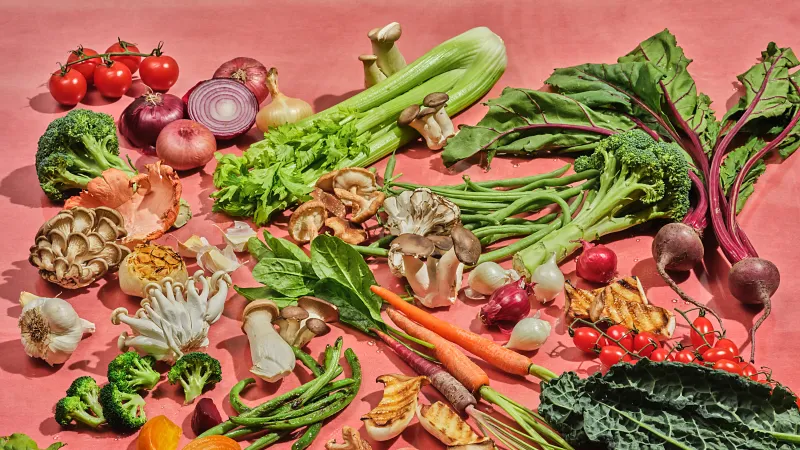
Photo: fresh poke bowl ingredients preparation close up seasoning, via static01.nyt.com
There's a frustrating moment most home poke cooks eventually hit. You've done everything right on paper—bought the nicest fish at the counter, grabbed quality sesame oil, maybe even splurged on real Hawaiian sea salt. You cube everything up, mix it together, taste it, and... meh. Flat. Kind of watery. Where did all the flavor go?
Here's the thing: great poke isn't just about ingredient quality. It's about understanding how flavor actually works once those ingredients hit your bowl. Premium fish is a starting point, not a guarantee. And once you understand the hidden forces quietly draining your bowl of its potential, you'll never build one the same way again.
The Oxidation Problem Nobody Talks About
Fresh fish has a clean, almost sweet oceanic flavor. But the moment you cut into it, a clock starts ticking. Oxygen begins reacting with the fish's fatty acids—a process called lipid oxidation—and the longer it goes on, the more that bright, clean taste dulls into something vaguely fishy and flat.
This is especially true with ahi tuna, which has a high fat content that makes it particularly vulnerable. If you're cubing your fish more than 20 to 30 minutes before serving, you're already fighting oxidation. And if you're letting it sit in marinade in the fridge for hours—thinking you're building flavor—you may actually be breaking it down.
The fix is simple once you know about it: cube your fish as close to serving time as possible, and if you need to prep ahead, keep the fish in one piece and cut it at the last minute.
Your Fridge Is Colder Than You Think
Over-refrigeration is one of the most common and least-discussed flavor killers in home cooking. Most household refrigerators run between 35 and 38°F. At that temperature, fat molecules—which carry a huge portion of flavor—become sluggish. They stop releasing aroma compounds the way they should, which means your tongue and nose aren't getting the full picture of what's in the bowl.
This is why poke from a good Hawaiian spot tastes so alive. It's not just that their fish is fresher (though it usually is). It's that the bowl hits the counter at a temperature where the flavors are actually awake and moving.
When you're building poke at home, pull your fish out of the fridge 10 to 15 minutes before you assemble everything. You're not trying to bring it to room temperature—just take the deep chill off. You'll notice an immediate difference in how much flavor comes through.
Salt Is a System, Not a Seasoning
Most people think about salt as something you add at the end if a dish seems bland. In poke, that's completely backwards. Salt is a structural element, and the timing and form of it matters enormously.
Traditional Hawaiian poke uses Hawaiian sea salt—a coarser, mineral-rich salt that doesn't just season the fish but draws moisture to the surface, concentrating flavor and creating that characteristic glossy, slightly tacky texture. If you're swapping in table salt or fine sea salt, you're not getting the same effect. The mineral content is different, the grain size is different, and the way it interacts with the fish is different.
Beyond salt type, there's the question of balance. Poke relies on a specific tension between salty, savory, and acidic elements. Soy sauce brings salt and umami. Citrus or rice vinegar brings brightness. When one of those is off—too much soy and not enough acid, for example—the whole bowl collapses into a single flat note.
Taste your marinade before it touches the fish. It should make your mouth water on its own. If it doesn't, something's out of balance.
The Umami Gap
Umami is the fifth taste—savory, deep, almost meaty—and it's what gives truly great poke that addictive quality that keeps you digging back in for another bite. It comes from glutamates, naturally occurring compounds found in certain ingredients.
Soy sauce has it. So does sesame oil, nori, bonito flakes, miso, and fish roe. But a lot of home poke recipes stop at soy and sesame and call it done. That leaves a significant umami gap that no amount of expensive fish will fill.
One of the easiest ways to deepen your bowl's flavor is to add a small amount of something umami-rich that doesn't scream for attention. A teaspoon of white miso stirred into your sauce. A sprinkle of furikake over the top. A few thin strips of toasted nori tucked in on the side. These aren't fancy moves—they're just smart layering.
The Acid You're Probably Skipping
Brightness is what separates a bowl that tastes complete from one that tastes heavy and muddy. Acid—whether from citrus, vinegar, or pickled vegetables—lifts the other flavors and gives your palate something to follow.
A lot of home cooks under-acid their poke because they're worried about "cooking" the fish (the way citrus does in ceviche). But a small squeeze of lime or a splash of rice vinegar in the marinade isn't going to cure anything—it's just going to make everything taste more like itself.
Pickled ginger, thinly sliced cucumber tossed in rice vinegar, or even a few drops of yuzu juice all work beautifully here. Don't skip this step.
Putting It All Together
Great poke is a timing and balance game as much as it is a shopping game. Here's the short version of what to remember:
- Cut fish last. Minimize the time between knife and bowl.
- Take the chill off. A slightly less-cold fish is a more flavorful fish.
- Use the right salt. Hawaiian sea salt isn't just aesthetic—it functions differently.
- Balance your marinade. Salt, acid, and umami should all be present and accounted for.
- Layer your umami. Don't rely on soy alone to carry the savory weight.
- Add brightness. Acid is not optional.
None of this requires spending more money. It requires paying attention to the mechanics of flavor—and once you do, even a modest piece of fish can taste like something worth talking about.