Cold Is a Flavor: The Real Reason Temperature Makes or Breaks Your Poke Bowl
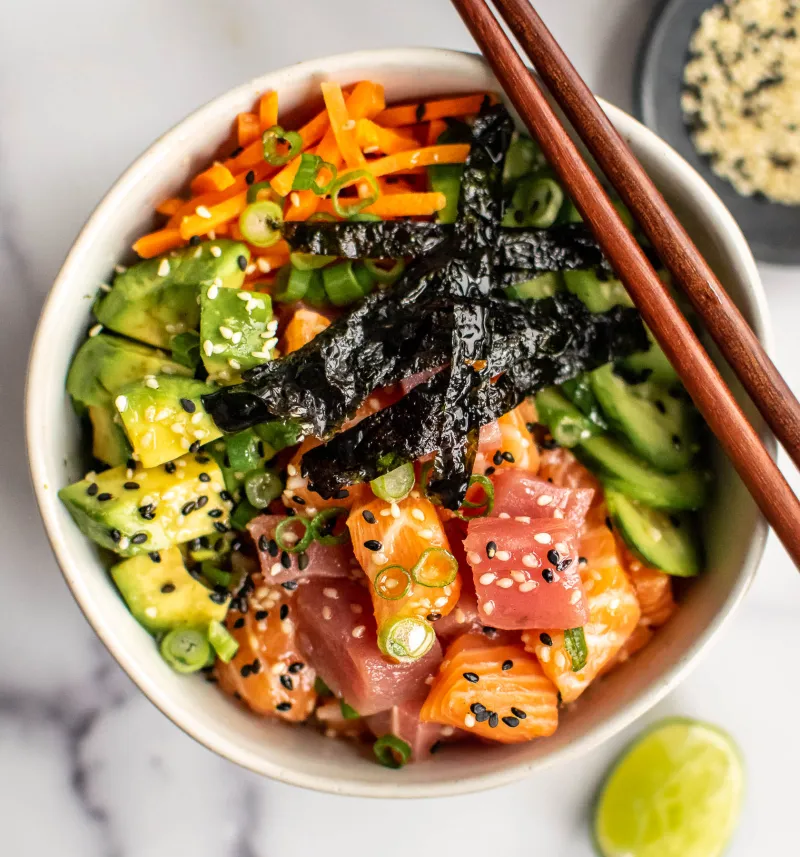
Photo: poke bowl fresh cold temperature ice chilled seafood rice toppings, via www.carolynscooking.com
You've probably noticed it without thinking too hard about it. A poke bowl that arrives perfectly cold—fish firm, rice just slightly cool, everything crisp—tastes noticeably better than one that's been sitting out for a while. The fish gets a little soft, the rice turns gummy, and somehow the whole thing tastes less vibrant. It's not your imagination. Temperature is doing real work in that bowl, and understanding it makes you a smarter eater and a better home cook.
This isn't just about keeping raw fish safe (though that matters too). It's about how cold affects the way your brain perceives flavor, how ingredients hold their structure, and how the whole eating experience comes together. Let's break it down.
What Cold Actually Does to Flavor
Here's something that surprises a lot of people: cold suppresses certain flavors and sharpens others. This is well-established food science. Your taste receptors are temperature-sensitive, meaning the same ingredients can taste noticeably different at 38°F versus 60°F.
In a poke bowl context, this works in your favor in a few specific ways. The clean, oceanic flavor of raw fish—ahi, salmon, whatever you're working with—comes through more clearly when it's cold. Warmth amplifies fat and umami in ways that can make raw fish taste fishy rather than fresh. Keep it cold and you get brightness and clarity instead.
Acidic elements like ponzu, citrus juice, and pickled vegetables also perform better cold. The sharpness stays defined rather than blurring into the other flavors. And crunchy toppings—crispy shallots, tempura flakes, sesame seeds—maintain their texture contrast longer against cold ingredients than they do against warm ones.
The one exception worth noting: rice. Traditional poke is often served with rice that's at room temperature or just barely cool, not fridge-cold. Ice-cold rice gets hard and loses that slightly sticky, tender quality that makes it such a good base. We'll come back to that.
The Window You're Working With
Once a poke bowl is assembled, you're working against a clock. Not just for safety reasons, but for quality ones. Here's a rough breakdown of what happens over time at room temperature:
0–15 minutes: Peak condition. Fish is firm and cold, toppings are crisp, flavors are distinct.
15–30 minutes: Noticeable decline. The fish starts to warm slightly, the texture softens, and the marinade begins to pool at the bottom of the bowl rather than coating the ingredients evenly.
30–45 minutes: Significant drop in quality. Crunchy toppings have gone soft, the fish may smell more pronounced, and the overall eating experience is compromised.
Beyond 45 minutes: At this point you're outside the food safety comfort zone for raw fish, and the bowl has usually crossed the line from "not ideal" to "not good."
This is why eating your poke promptly matters—and why delivery optimization is a real consideration if you're ordering in.
Home Prep: How to Build a Bowl That Stays Cold Longer
If you're making poke at home, a few intentional choices during assembly can extend that quality window significantly.
Chill your bowl. It sounds small, but placing your serving bowl in the freezer for five to ten minutes before you build your poke makes a real difference. A cold vessel slows the warming process from the bottom up.
Keep your components separate until the last minute. Marinate your fish in the fridge, prep your toppings, and assemble right before you eat. Ingredients that have been sitting together absorb moisture from each other, which softens textures faster.
Layer strategically. Put your cold ingredients—fish, cucumber, pickled vegetables—on top. Anything that can handle slight temperature variation, like edamame or avocado, can go toward the bottom or the sides.
Rice temperature is a decision, not an accident. If you want your bowl cold all the way through, let your rice cool completely before building. If you prefer a slight warmth contrast, use room-temperature rice. Just don't use hot rice—it will steam your fish from below and accelerate the warming of everything else.
Don't skip the ice trick. For a backyard gathering or a situation where your bowl will sit out for a bit, nest your serving bowl inside a larger bowl filled with ice. It's a trick borrowed from sushi chefs and it genuinely works.
Delivery Orders: What to Do When Your Bowl Arrives
Delivery poke is one of those things that can be great or disappointing depending almost entirely on how you handle it on your end. Most delivery containers are not well-insulated, and depending on distance and traffic, your bowl may arrive warmer than ideal.
A few things that help:
Order during off-peak hours when possible. Shorter wait times mean less time in a warm bag. Lunch orders placed slightly before or after the noon rush tend to arrive faster and colder.
Ask for your fish and crunchy toppings to be packaged separately if the option exists. Some poke spots offer this. Keeping them apart until you're ready to eat preserves both the fish temperature and the topping texture.
Don't let it sit. This sounds obvious, but if you're not ready to eat when the delivery arrives, put the fish component directly in the fridge. Even five minutes of unnecessary counter time adds up.
Refresh it if needed. If your delivery arrives warmer than you'd like, it's fine to put the whole bowl (covered) in the fridge for five minutes before eating. You won't lose much, and you'll gain a noticeably better experience.
Storage: When You Have Leftovers
The honest answer is that poke is not a great leftover food—at least not in its assembled form. But if you find yourself with extra, a few storage strategies can salvage it.
Store the fish separately from everything else. In an airtight container, well-marinated raw poke fish can hold in the fridge for about 24 hours. Beyond that, the texture degrades and the flavor becomes increasingly fishy.
Never refreeze raw fish that's already been thawed for poke. The cell structure breaks down further and you'll end up with something mushy and unpleasant.
If you want to meal prep poke components for the week, keep everything separate—fish, rice, toppings—and assemble fresh each time. It takes an extra two minutes and the difference in quality is significant.
The Bottom Line
Temperature isn't a footnote in the poke experience. It's one of the main characters. Cold preserves the clean flavors of fresh fish, keeps your textures where they should be, and makes the whole bowl feel intentional rather than thrown together. Whether you're building at home, picking up from your favorite spot, or waiting on a delivery driver, the few minutes you invest in keeping things cold are always worth it.