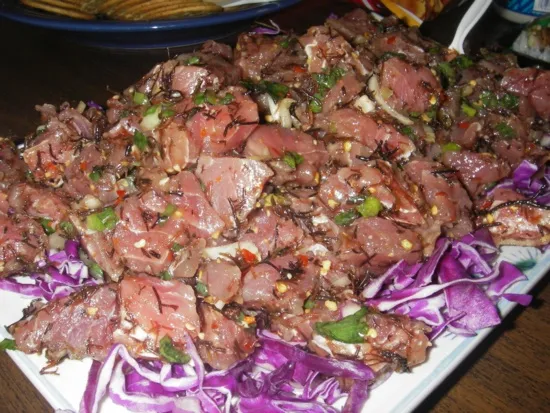
Spice Smarter, Not Hotter: The Art of Adding Heat to Your Poke Bowl
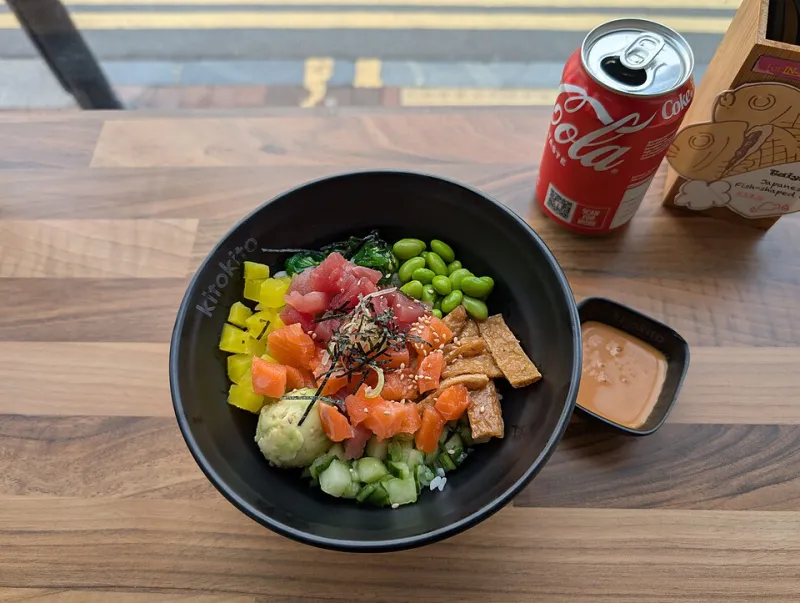
Photo: Andy Li, CC0, via Wikimedia Commons
There's a very specific kind of disappointment that comes from spending good money on sushi-grade ahi, carefully cubing it, and then dumping on so much sriracha that you might as well be eating spicy ketchup. Heat has a place in poke—a real, important place—but it works best when it's thoughtful. When it's layered. When it knows its role.
So let's talk about the science of spicy, and more importantly, how to use it in a way that makes your poke bowl taste more like itself, not less.
Why Raw Fish and Capsaicin Are a Complicated Couple
The compound responsible for the burn in chili peppers is capsaicin, and it binds to receptors in your mouth that register heat and pain. That's not a metaphor—your brain literally processes capsaicin the same way it processes a hot stove. The problem with raw fish is that it's subtle. Ahi tuna, salmon, and yellowtail all have delicate fat profiles and mild umami that can be easily steamrolled by an aggressive heat source.
Fat, interestingly, is actually your friend here. Capsaicin is fat-soluble, meaning it dissolves in oils and fats rather than water. That's why dairy cools spice down, and it's also why a poke bowl with a good amount of avocado or a drizzle of sesame oil can handle more heat than a lean, greens-only bowl. The fat essentially buffers the burn, spreading it out and softening its edges.
Acidity plays a role too. A squeeze of citrus or a splash of rice vinegar doesn't just brighten flavor—it chemically interacts with the capsaicin and other volatile compounds in your spicy ingredients, making the heat feel cleaner and more focused rather than blunt and lingering.
Not All Heat Is Created Equal
This is where a lot of home cooks go wrong: treating all spicy condiments as interchangeable. They're not, and the differences matter a lot when you're working with raw fish.
Sriracha is probably the most common poke heat source in the US, and it's a solid choice—but it's sweet and garlicky in addition to being hot. That sweetness can play really nicely with a soy-based marinade, but it can also make your bowl taste more like a fast-food sauce than a Hawaiian-inspired dish if you overdo it.
Togarashi (the Japanese seven-spice blend) is a fantastic alternative. It brings citrus peel, sesame, and ginger notes alongside the heat, which means it adds complexity rather than just fire. Sprinkle it on top rather than mixing it into the fish—it's best as a finishing element.
Gochujang, the Korean fermented chili paste, is rich, earthy, and deeply savory. It pairs beautifully with salmon because the fattiness of the fish can stand up to its intensity. Just know that gochujang has staying power—the heat builds slowly and lingers, so start with less than you think you need.
Fresh chilies like sliced jalapeños or thinly cut fresno peppers give you brightness and crunch alongside their heat. Because you're tasting the pepper itself rather than a processed sauce, the flavor is more vegetal and fresh—perfect for lighter bowls built on greens or cucumber.
Wasabi deserves its own mention. It's technically not capsaicin-based—the heat comes from allyl isothiocyanate, the same compound in horseradish and mustard. It hits differently: a sharp, nasal burn that fades quickly rather than lingering on the tongue. A small amount mixed into your ponzu or soy sauce adds a clean kick that doesn't compete with the fish.
Building Heat in Layers
The best spicy poke bowls don't get their heat from one big source—they build it gradually across multiple components. Here's a practical framework:
Layer 1 – The marinade: This is where you set the baseline. A small amount of chili oil, a half-teaspoon of gochujang, or a few dashes of chili flakes in your marinade gives the fish a subtle, integrated warmth. Go light here—you can always add more at the table.
Layer 2 – The sauce: Your drizzle sauce (spicy mayo, ponzu with a kick, sesame-chili vinaigrette) is where you dial in the primary heat experience. Spicy mayo made with Kewpie and sriracha is a crowd-pleaser for a reason—it's creamy, which softens the burn, and it coats everything evenly.
Layer 3 – The toppings: Fresh jalapeño slices, a pinch of togarashi, or a few drops of a high-quality chili oil on top give you heat that hits immediately when you take a bite. This layer is about excitement and contrast.
Calibrating for Your Crowd
Not everyone at the table has the same tolerance, and that's totally fine. The smartest move when building poke at home is keeping the fish's marinade mild and putting the heat on the side. Set out a few different options—sriracha, chili crisp, sliced fresno peppers—and let people build to their own comfort level.
If you're cooking for someone who genuinely loves heat, lean into the gochujang-marinated salmon route. If you're serving a mixed crowd, a spicy mayo drizzle on the side satisfies the heat seekers without committing the whole bowl.
One Rule Worth Keeping
Whatever you do, taste your fish before you add heat. Seriously. Sushi-grade ahi has a clean, ocean-fresh flavor that's genuinely worth appreciating on its own for a second. When you know what you're working with, you'll have a much better instinct for how much heat it can take—and where it needs to go.
Spice should make your poke bowl more interesting, not louder. Get that balance right, and every bite will hit exactly the way it's supposed to.