Same Ingredients, Totally Different Bowl: The Real Reason Your Homemade Poke Can't Compete

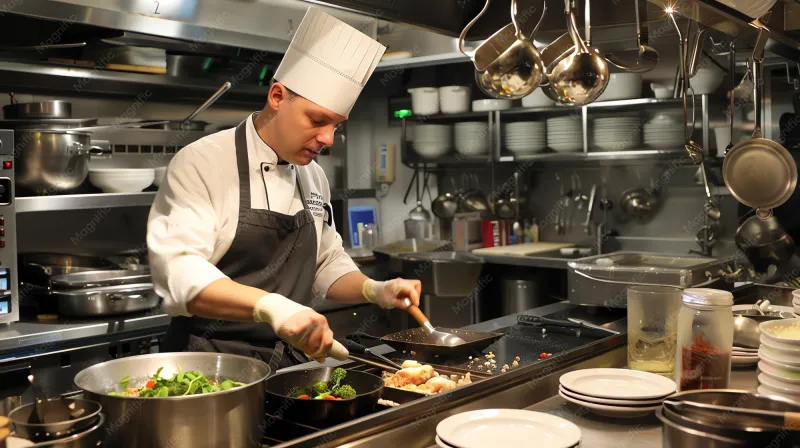
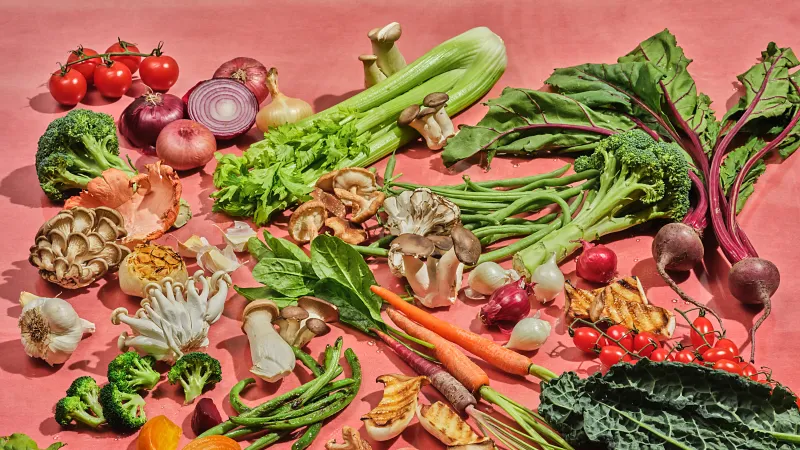
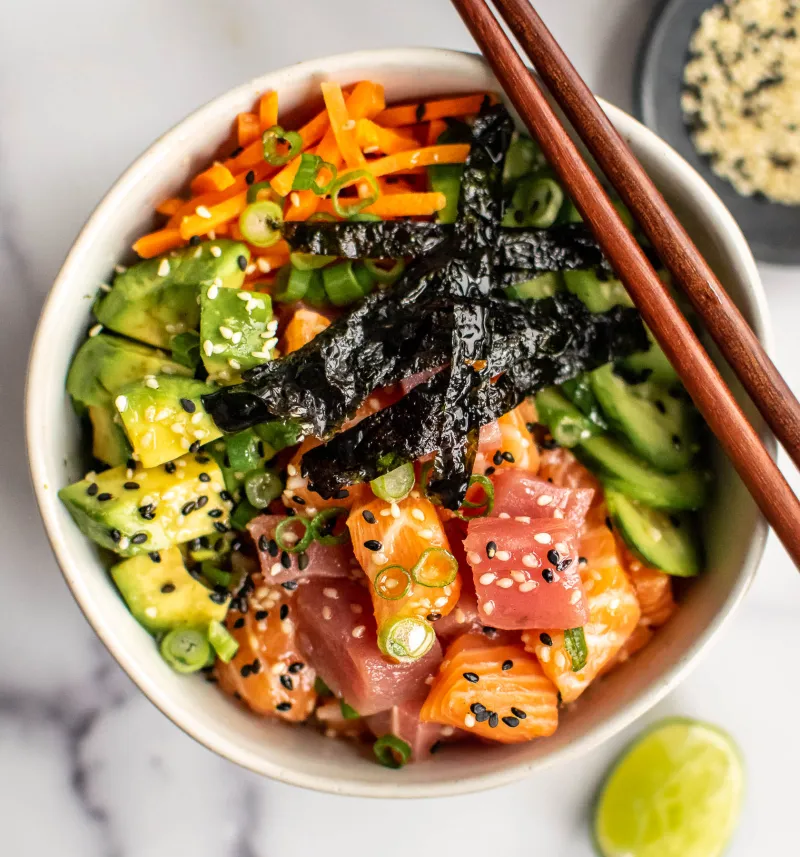
Photo: homemade poke bowl preparation kitchen fresh tuna ingredients, via www.simplyscratch.com
You did everything right. You grabbed sushi-grade ahi from the nicer grocery store, picked up sesame oil, soy sauce, and a bag of short-grain rice. You followed a recipe. And yet, when you sat down to eat, the bowl tasted... fine. Not bad. Just not that. Not the kind of poke that makes you close your eyes for a second.
This is one of the most common frustrations in home cooking, and poke bowls are especially prone to it. The gap between a great restaurant version and a solid homemade attempt isn't always about skill or effort. A lot of it comes down to factors most people never think to consider — sourcing, timing, temperature, technique, and the kind of repetition that only comes from making the same dish hundreds of times. Let's get into it.
The Fish You're Buying Is Not the Fish They're Using
This is the big one, and it's worth sitting with for a minute. When a poke restaurant orders tuna, they're typically sourcing directly from a seafood distributor who delivers multiple times a week — sometimes daily. That fish has a shorter, colder, more controlled journey from the ocean to the cutting board.
When you pick up "sushi-grade" ahi from a supermarket, that label is doing a lot of marketing work. The FDA doesn't actually regulate the term "sushi-grade," so it can mean almost anything. The fish you're buying may have been frozen, thawed, and sitting in a display case for a day or two before it got to you. It's not unsafe — but it's different. The texture is slightly softer, the flavor a little more muted, and no amount of good marinade fully compensates for that.
Your best move here is to find a local fish market or a Japanese grocery store (H Mart and Mitsuwa are solid options in many US cities) where turnover is high and you can ask directly when the fish came in. The fresher the fish, the closer you get to that restaurant baseline.
Marinating Time Is a Two-Edged Knife
Restaurant poke chefs know something most home cooks don't: marinating time is incredibly precise, and it's not always longer is better. At a good poke spot, the fish is often seasoned and tossed right before service — or allowed to rest for a very specific window, usually somewhere between 15 and 45 minutes depending on the cut and the sauce.
At home, people tend to either rush it (toss and eat immediately) or over-marinate (prep in the morning, eat at dinner). Both directions create problems. Under-marinated poke tastes like unseasoned fish with sauce on top. Over-marinated poke turns mushy and loses that clean, fresh bite that makes a great bowl work.
Acidic components — citrus juice, rice wine vinegar, even certain soy sauces — start breaking down the fish's proteins pretty quickly. That's the same process used in ceviche, just at a slower rate. Let it go too long, and you've essentially started cooking the fish without heat. Aim for that 20-to-30-minute sweet spot for most ahi applications, and taste as you go.
Your Rice Is Probably Close, But Not Quite There
Rice gets underestimated constantly. At a busy poke restaurant, the rice is made in large batches throughout the day, seasoned with rice vinegar, salt, and sometimes a little sugar, and kept at a specific warm temperature in a professional rice cooker. That consistent heat and moisture level produces a texture that's hard to replicate with a standard home pot or even a basic rice cooker.
Beyond equipment, there's the seasoning itself. Restaurant rice is usually seasoned more aggressively than most home cooks are comfortable with. If your base tastes bland, your whole bowl will feel flat no matter how good the fish is. Season your rice while it's still hot, use a proper ratio of seasoned rice vinegar, and let it rest covered before serving — don't skip that resting step.
Also worth noting: the rice-to-topping ratio matters more than people realize. Restaurant bowls are often built with a slightly smaller rice base than you'd expect, which keeps each bite balanced. Home cooks tend to overload the rice, which dilutes the flavors of everything else.
The Sauce Isn't Just a Recipe — It's Muscle Memory
Here's something that's hard to teach but easy to understand once you hear it: professional cooks taste constantly, and they adjust intuitively. A poke chef who has made the same spicy mayo or ponzu-based sauce hundreds of times knows exactly what it should taste like at every stage. They're adjusting for the saltiness of a specific soy sauce batch, the heat level of a particular sriracha, the acidity of fresh citrus versus bottled.
When you make a sauce from a recipe, you're following a static set of instructions for ingredients that are inherently variable. Your sesame oil might be stronger or weaker than what the recipe writer used. Your soy sauce might be saltier. The fix is simple but requires practice: taste aggressively, adjust incrementally, and build a mental library of what balanced poke sauce actually tastes like. That knowledge compounds over time.
Temperature and Timing at Assembly
One of the most overlooked factors is the temperature of each component at the moment the bowl gets put together. Restaurants have a system — cold fish, warm rice, room-temperature toppings, sauces at the ready. Everything hits the bowl in a specific order and gets to the customer within minutes.
At home, it's easy to have cold rice, slightly warm fish that's been sitting out too long, and toppings pulled straight from the fridge. That thermal chaos flattens flavors and changes textures in ways that are subtle but cumulative. Cold dulls taste receptors. Warm fish sitting in marinade continues to cure. Little things add up.
The fix: time your assembly so the rice is freshly cooked and slightly warm, the fish comes straight from the fridge right before building, and everything else is prepped and ready to go before you start assembling. Think of it like a cooking show mise en place — have everything in place before the bowl comes together.
Closing the Gap Without Going Pro
None of this means you can't make a genuinely great poke bowl at home. Plenty of people do. But it does mean adjusting your expectations and your process. Source better fish, nail your timing, season more confidently, and pay attention to temperature. Those four things alone will move your homemade bowl from "pretty good" to "actually impressive."
The restaurant version has an edge you can't fully replicate — professional sourcing relationships, industrial equipment, and the kind of repetitive expertise that only comes with time. But understanding why that gap exists is the first step toward shrinking it. And honestly, the pursuit is half the fun.