Is Your Poke Bowl Actually Sustainable? Here's How to Find Out
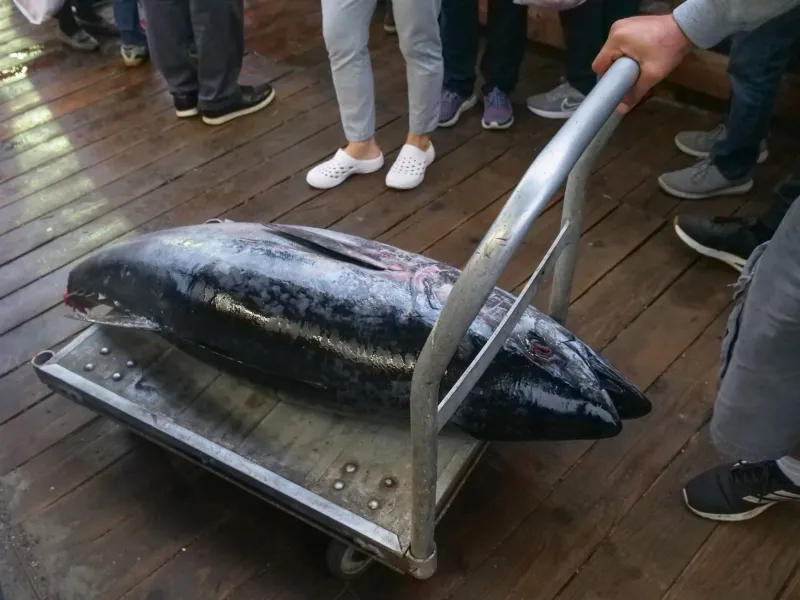
You picked the poke bowl because it felt like a good choice. Fresh fish, clean ingredients, nothing fried. It checked a lot of boxes. But here's a question most of us don't stop to ask: where did that fish actually come from, and does the shop you're ordering from even know?
The sustainability story behind American poke is messier than the menus suggest. That doesn't mean every shop is cutting corners—plenty of operators genuinely care about sourcing. But the industry-wide lack of transparency makes it very hard for customers to tell the difference. So let's break it down.
Why Seafood Sourcing Is Especially Complicated for Poke
Poke is built around raw fish, and raw fish has one of the most complex supply chains in the food industry. By the time a piece of ahi tuna lands in your bowl, it may have passed through a fishing vessel, a processing facility, an international port, a domestic distributor, and a restaurant supplier—each step adding potential for mislabeling, substitution, or opacity about origin.
A widely cited study published in the journal Food Policy found that seafood mislabeling rates in the US can run as high as 20 to 30 percent depending on the species and retail context. That means there's a real chance that what you're told is ahi tuna is actually a cheaper species like bigeye, yellowfin, or in more egregious cases, an entirely different fish.
For poke specifically, this is a meaningful issue. The flavor and texture differences between species matter. But more importantly, the environmental footprint of those species varies significantly. Some tuna fisheries are well-managed and relatively low-impact. Others involve practices that are devastating to bycatch populations and ocean ecosystems.
The Certification Landscape: Helpful, But Not the Whole Story
You've probably seen the Marine Stewardship Council (MSC) blue label on seafood packaging. It's the most recognized sustainability certification in the US market, and it does indicate that a fishery has met certain standards around stock health, environmental impact, and management practices.
But here's the thing: MSC certification is a useful signal, not a guarantee. Certification is expensive and administratively burdensome, which means many small, genuinely responsible fisheries never pursue it. Conversely, some large-scale certified fisheries have drawn criticism from environmental groups for practices that technically meet the standard but still raise concerns.
Other certifications worth knowing include the Aquaculture Stewardship Council (ASC) for farmed seafood, and the Monterey Bay Aquarium's Seafood Watch program, which rates species and sourcing methods on a green/yellow/red scale. Seafood Watch is particularly useful for consumers because it's free, searchable, and updated regularly as fishery conditions change.
Farmed fish is another variable. Not all aquaculture is bad—responsibly farmed salmon, for example, can have a lower environmental impact than certain wild-caught options. But farmed fish that's raised in overcrowded conditions with heavy antibiotic use is a different story. The word "farmed" on a menu tells you almost nothing without knowing the specific operation.
Red Flags to Watch For at Your Poke Shop
You don't need a marine biology degree to spot some basic warning signs. Here's what to look for.
Vague sourcing language. Phrases like "premium seafood" or "fresh fish" without any specifics about origin or supplier are a yellow flag. A shop that knows and cares about its sourcing will usually say so—not because they're obligated to, but because it's a selling point they're proud of.
Prices that seem too low. High-quality, sustainably sourced ahi tuna is not cheap. If a poke bowl is priced well below market average and still claims to use premium fish, something in that equation doesn't add up. This doesn't mean expensive automatically means better, but it does mean implausibly cheap deserves a second look.
No supplier information anywhere. Many reputable poke shops name their distributors or fishery partners either on the menu, on the wall, or on their website. If there's zero mention of where the fish comes from, that absence is itself a data point.
"Ahi" without a species specification. Ahi is a Hawaiian term that can refer to either yellowfin or bigeye tuna. These are different species with different sustainability profiles depending on how and where they're caught. A shop that knows its product can tell you which one you're eating.
Questions Worth Asking Before You Order
Most poke shop staff are happy to answer sourcing questions, especially if the shop actually has good answers. A few that are worth raising:
- Where does your tuna come from? Which ocean, and which fishery if possible?
- Is any of your seafood certified by MSC, ASC, or rated by Seafood Watch?
- Do you work directly with a supplier, or through a broadline distributor?
- How often does your fish inventory turn over?
You're not interrogating them. You're being a thoughtful customer. And shops that prioritize sustainability will often appreciate the question.
What Good Sourcing Actually Looks Like
The poke shops that do this well tend to share a few characteristics. They have relationships with specific suppliers—often regional seafood distributors or direct importers who can trace product back to specific fisheries. They update their menus seasonally or when sourcing conditions change, rather than offering the same fish year-round regardless of availability. And they're willing to be honest when something isn't available rather than substituting quietly.
Some smaller shops in coastal cities have started sourcing from local fishermen directly, which cuts out several layers of the supply chain and dramatically increases traceability. This model is harder to scale, but it produces genuinely excellent fish and a sourcing story that's actually verifiable.
The Bottom Line
Sustainability in poke isn't a binary. It exists on a spectrum, and most shops fall somewhere in the middle—doing some things well and other things less so. The goal isn't to find the perfect bowl or to feel guilty about every order. It's to be curious enough to ask a few questions and to support the shops that are actually putting in the work.
The ocean that produced the fish in your bowl is the same one that made Hawaiian poke culture possible in the first place. That connection is worth a little attention.