Beyond the Rice Bowl: How Poke Shops Are Reinventing the Foundation
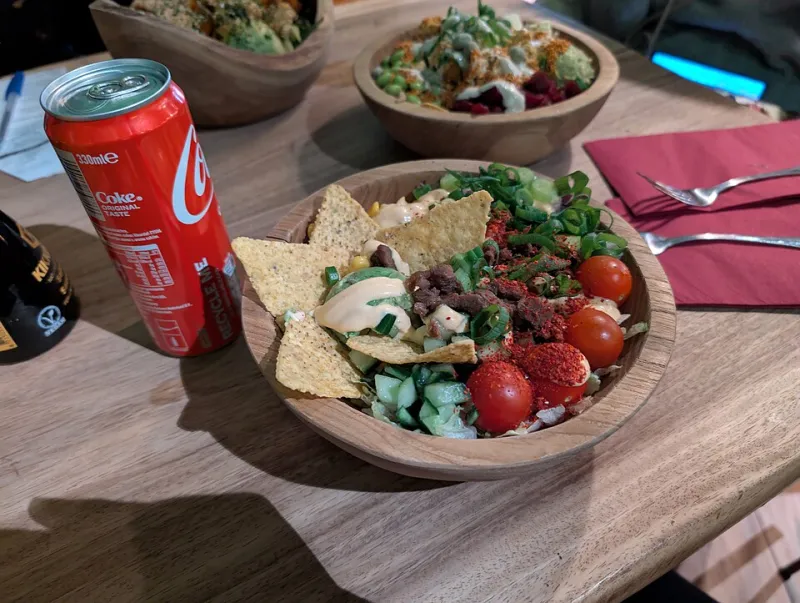
Photo: Andy Li, CC0, via Wikimedia Commons
Walk into almost any poke spot in America and the ordering ritual is basically the same: pick your protein, choose your base (white rice, brown rice, maybe mixed greens if you're feeling virtuous), load up on toppings, drizzle your sauce, done. It's a formula that works. It's also one that a growing number of chefs and restaurant owners are quietly — and sometimes not so quietly — blowing up.
The rice base, long considered non-negotiable in poke culture, is getting a serious second look. Not because anyone thinks rice is broken, but because curiosity, nutritional demand, and a broader appetite for experimentation are pushing the bowl in directions that would've seemed pretty out-there even five years ago.
So what's actually replacing rice, why are restaurants making the switch, and should you care? Let's dig in.
The Rice Loyalty Problem
Here's the paradox at the center of all this: sushi rice — the short-grain, lightly seasoned stuff that most poke shops use — is genuinely great. It's sticky, slightly tangy, and designed to carry flavor without competing with the fish. Hawaiian poke traditions have used it for good reason.
But rice is also calorie-dense, relatively low in protein, and pretty one-dimensional in texture. As poke bowls moved from Hawaiian fish markets into mainstream American food halls and fast-casual chains, the customer base expanded way beyond its original audience. Suddenly you had keto dieters, gluten-free eaters, high-protein seekers, and people who just wanted something different all showing up at the counter — and rice wasn't always the answer they were looking for.
Restaurants had a choice: stay traditional or adapt. A lot of them chose to adapt.
Quinoa: The Obvious First Move
Quinoa was probably the most predictable rice alternative to show up on poke menus, and that's not a knock against it. It works. The slightly nutty flavor doesn't overpower delicate fish, the protein content is legitimately impressive (around 8 grams per cup, cooked), and it holds up well under wet toppings and sauces without turning to mush.
A lot of mid-size poke chains added quinoa as a swap option around 2018 and 2019, right around the same time grain bowls were having their big cultural moment. What's interesting is that quinoa didn't just attract the health-conscious crowd — plenty of regular poke fans started requesting it simply because they liked the texture contrast.
If you're trying this at home, cook your quinoa in low-sodium vegetable or chicken broth instead of water. It adds a background savory note that brings it closer to seasoned sushi rice without needing much else.
Cauliflower Rice: Polarizing, But Here to Stay
No base alternative generates more strong opinions than cauliflower rice. People either love it or they're deeply uninterested in it, and both camps are pretty vocal.
For restaurants, offering cauliflower rice is almost entirely a practical decision. It lets them serve customers who are doing low-carb or keto eating without creating a totally separate menu. The margins aren't always great — cauliflower rice takes more prep labor than just scooping white rice — but the customer retention value is real.
From a flavor standpoint, plain cauliflower rice is pretty neutral, which is actually useful in a poke bowl where you've got a lot going on. The mistake most home cooks make is serving it cold and unseasoned. Sauté it briefly with a little sesame oil and a pinch of salt, let it cool, and it becomes a much more legitimate base. It'll never fully replace the real thing, but it doesn't have to.
Mixed Ancient Grains: The Sleeper Hit
This one doesn't get talked about enough. A blend of farro, millet, freekeh, or sorghum — sometimes marketed as "ancient grain blends" on menus — has started appearing at more independent poke spots, particularly in cities like Portland, Austin, and Denver where adventurous eating is basically a local sport.
What makes grain blends interesting is the textural variety. You get chewiness, some crunch, different levels of nuttiness, all in one scoop. They also tend to be high in fiber and hold up well as leftovers, which matters if you're meal-prepping poke-style bowls at home.
Chefs who use these blends often season them the same way they'd season sushi rice — rice vinegar, a touch of sugar, a little salt — and the grains absorb those flavors surprisingly well. It's a different experience than rice, but not a worse one.
The Wildcard: Crispy Noodle Beds
Okay, this is where things get genuinely unexpected. A handful of restaurants — mostly independent spots doing more creative, chef-driven menus — have started experimenting with crispy noodle bases. Think thin rice noodles or wonton strips, lightly fried, arranged as a crunchy bed underneath the fish and toppings.
The logic is texture-forward. Instead of a soft, uniform base, you get crunch that contrasts with the silky raw fish and creamy sauces. It's a completely different eating experience — more like a deconstructed Asian-inspired salad than a traditional poke bowl — but people are into it.
The obvious challenge is that crispy noodles don't stay crispy for long once sauce hits them. Most restaurants that do this serve the sauce on the side and encourage you to eat the bowl quickly. For delivery, it's basically impossible to pull off without compromising the texture. But for dine-in? It's a genuinely fun riff on the format.
What Chefs Are Actually Thinking
Talk to independent poke shop owners about this trend and a few themes come up consistently. One is that the base conversation has helped them differentiate from chain competitors who are slower to experiment. Another is that customers who feel like they have real options — not just white rice versus brown rice — tend to engage more with the menu overall and spend more time at the counter.
There's also something honest happening around nutrition transparency. Diners in 2024 are more ingredient-aware than they've ever been, and offering a base that fits someone's specific eating approach isn't just a nice gesture — it's a competitive advantage.
That said, most chefs are quick to point out that the base is only part of the equation. A beautiful piece of ahi with a well-balanced marinade can still be let down by an uninspired base, no matter how trendy that base might be.
Should You Be Experimenting at Home?
Absolutely. One of the best things about making poke bowls at home is that you can play with the base without any commitment. Try a week of quinoa, then a week of farro blend, then go back to sushi rice and see what you actually prefer.
A few practical notes:
- Season your alternative base the same way you'd season rice — a splash of rice vinegar, a little sugar, some salt. Most grains and cauliflower rice taste flat without it.
- Consider temperature. Cold bases can dull flavor. Let your grain base come to room temperature before building the bowl.
- Think about sauce absorption. Lighter, more porous bases (like quinoa) will absorb sauces faster than dense grains. If you're using a bold sauce, go easy at first.
- Don't overthink it. The whole point of experimenting with bases is to find something you genuinely enjoy eating, not to optimize every nutritional variable.
Rice isn't going anywhere. It's still the default for good reason, and there's nothing wrong with sticking with it. But the fact that poke shops across the country are rethinking what goes at the bottom of the bowl says something interesting about where this food is headed — and how much room there still is to make it your own.