Small Shops, Big Stakes: The Quiet Crisis Threatening Independent Poke Restaurants

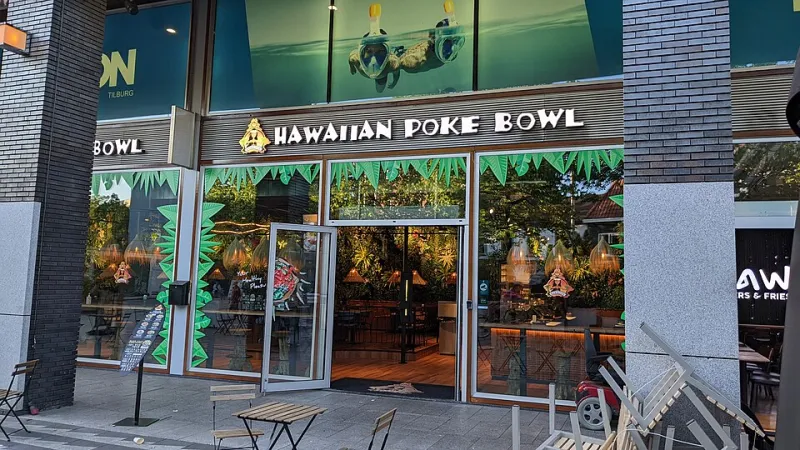
Photo: Walter Stephens Lethbridge, Public domain, via Wikimedia Commons
There's a good chance you have a favorite poke spot. Maybe it's a tucked-away counter run by a family who's been making shoyu ahi the same way for a decade. Maybe it's a tiny storefront where the owner knows your usual order before you open your mouth. And maybe—if you've driven past lately—it's been replaced by a smoothie chain or a vacant storefront with a paper sign in the window.
This isn't just nostalgia talking. Independent poke restaurants across the United States are facing a convergence of pressures that's making survival genuinely difficult. The food is as beloved as ever. The demand hasn't dried up. But the economics? They've shifted in ways that are quietly hollowing out the small-shop scene that gave poke its soul in the first place.
The Numbers Behind the Squeeze
Let's start with the ingredient side of the equation, because it's brutal right now. Sushi-grade ahi tuna—the protein that built the poke bowl's reputation—has seen significant price volatility over the past few years. Supply chain disruptions, fuel costs for fishing vessels, and growing global demand for premium seafood have all pushed wholesale prices upward. For a large chain with negotiating power and bulk purchasing contracts, that's an inconvenience. For a small shop buying weekly from a local fish supplier, it can mean margin erosion that's nearly impossible to absorb without raising menu prices.
And raising prices is its own problem. Customers who got comfortable paying $13 for a bowl aren't always thrilled about $16—even when the math behind the increase is completely reasonable. Small operators often feel trapped between protecting their margins and protecting their customer relationships.
Labor compounds the issue. Finding experienced kitchen staff—people who understand proper fish handling, who can maintain the consistency that keeps regulars coming back—has become genuinely hard in most US markets. Wages have risen across the food service industry, which is a good thing for workers, but it adds another layer of pressure to businesses already running on thin margins.
The Delivery Platform Dilemma
Here's where it gets particularly thorny. A huge share of poke orders now flow through third-party delivery apps—DoorDash, Uber Eats, Grubhub, and their competitors. For customers, these platforms are convenient and familiar. For small restaurants, they can be quietly devastating.
Most major delivery platforms charge commission fees ranging from 15% to 30% of each order. On a $15 bowl, that's potentially $4.50 going straight to the platform before the restaurant has paid for ingredients, labor, or rent. Some operators try to offset this by charging slightly higher prices on delivery apps compared to in-store menus. Others absorb the hit and hope volume makes up for it. Many quietly discover that neither approach actually works.
The irony is sharp: the same digital infrastructure that helped poke go mainstream—making it easy to discover and order—is now one of the structural forces making it harder for small operators to stay viable.
What's Getting Lost When These Spots Close
Beyond the business mechanics, there's a cultural cost worth naming. The independent poke shops that have been closing aren't just restaurants—many of them are community anchors with genuine ties to Hawaiian and Pacific Islander food traditions. They're the spots where the fish sourcing actually gets talked about, where the marinades haven't been standardized into something safe and forgettable, where the person behind the counter can explain why they use kukui nut or what makes their limu-based preparation different from everyone else's.
When those places disappear and get replaced by a franchised build-your-own concept optimized for speed and app ratings, something real is lost. The food might look similar in a photo. It rarely tastes similar in the bowl.
What You Can Actually Do
This isn't a helpless situation. Consumers have more influence over which businesses survive than most people realize, and a few deliberate habits can make a genuine difference.
Order direct when you can. Many independent poke shops now have their own online ordering systems or phone-in options that bypass third-party platforms entirely. When you order directly, the restaurant keeps the full revenue from your meal. It's a small friction point—you might have to bookmark a URL or save a phone number—but it adds up fast for the shop on the receiving end.
Show up in person. Dine-in and direct pickup orders are almost always more profitable for small operators than delivery. If the shop is within reasonable distance, making it a destination rather than a delivery order supports the business more meaningfully.
Leave reviews that actually say something. Generic five-star reviews are nice, but specific feedback—mentioning the quality of the fish, the care in the preparation, the staff by name—carries more weight for attracting new customers who care about those things. It also helps the shop show up in searches from people looking for exactly what they offer.
Ask where the fish comes from. This sounds simple, but it signals to operators that their sourcing decisions matter to you. Shops that invest in quality suppliers deserve customers who notice. And frankly, the conversation that follows is usually pretty interesting.
Buy gift cards during slow seasons. January and February are notoriously rough months for food businesses. A gift card purchase during a slow period gives the restaurant immediate cash flow at a moment when they need it most.
The Bigger Picture
Poke's rise in America has been remarkable—from a regional Hawaiian staple to a mainstream lunch option in virtually every major US city within about a decade. But rapid growth doesn't automatically mean the culture that created it gets protected. Fast expansion tends to favor whoever has the capital to scale, and that's rarely the small family-run counter that was doing this before it was trendy.
Keeping independent poke culture alive isn't about being precious or anti-chain. It's about recognizing that the diversity of approaches, the regional variations, the operators who take the craft seriously—all of that is what makes the food interesting. Homogenization is the enemy of good poke, and supporting the shops that resist it is one of the most direct ways food lovers can shape what this scene looks like five years from now.
Your favorite local spot is probably fighting harder than you know to stay open. The least complicated thing you can do is keep showing up.