Meet the Underdog Seafood That's About to Change How You Think About Poke
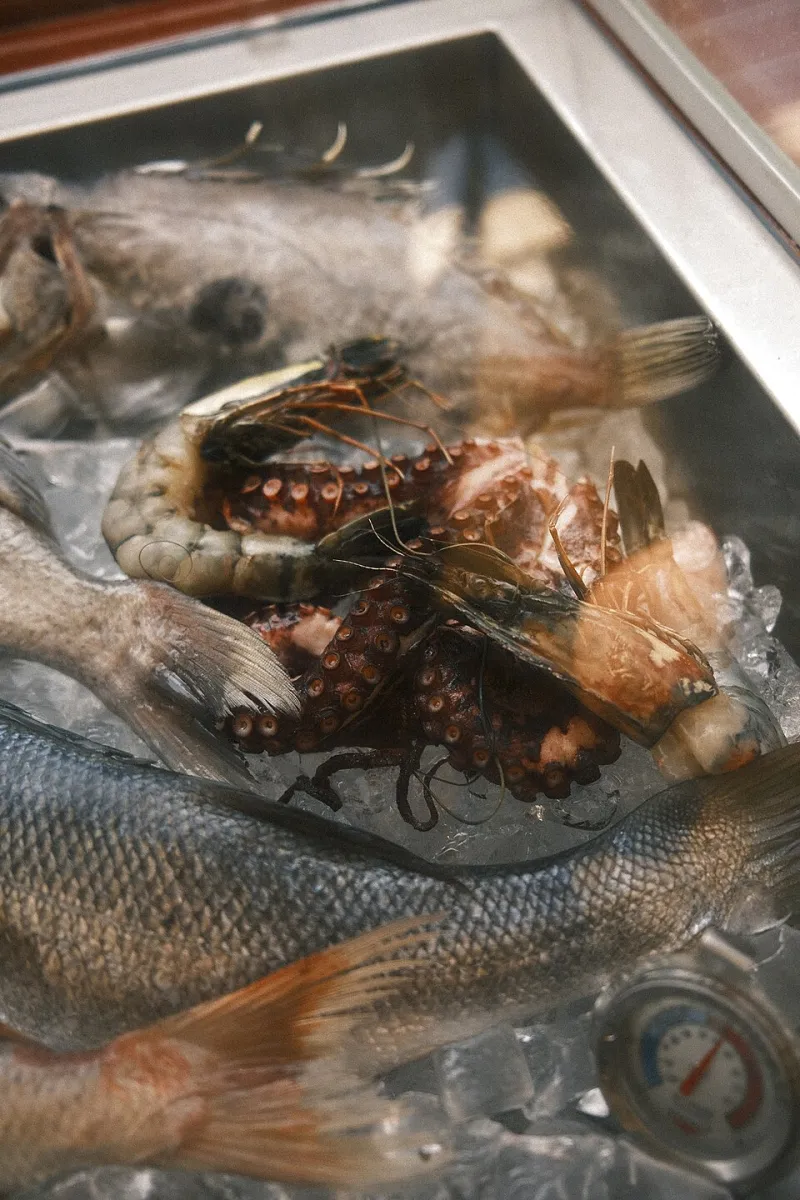
Photo: Shixart1985, CC BY 2.0, via Wikimedia Commons
Walk into almost any poke spot in the US—from a strip mall counter in Phoenix to a trendy food hall in Brooklyn—and the menu tells pretty much the same story. Ahi tuna. Salmon. Maybe spicy tuna if they're feeling adventurous. It's reliable, it's familiar, and there's nothing wrong with it.
But here's what that menu isn't telling you: the ocean is enormous, and poke as a tradition was never meant to be so narrow. Hawaiian fishermen originally made poke from whatever the day's catch brought in—reef fish, octopus, sea urchin, all of it. The ahi-and-salmon duopoly is a mainland convenience, not a cultural mandate.
So what happens when you start exploring beyond the usual suspects? You find some of the most exciting flavors and textures in seafood, often at better prices, with a better sustainability story to boot.
Kampachi: The Underrated Crown Jewel
If ahi tuna is the reliable starting quarterback, kampachi is the flashy transfer who makes everyone wonder why they didn't recruit them sooner. Also known as amberjack or yellowtail jack, kampachi has a buttery, mild richness that sits somewhere between ahi and salmon—familiar enough to win over poke newcomers, complex enough to keep serious eaters interested.
Kampachi is farmed responsibly in Hawaii (Kona Blue is one well-known producer) and in the Gulf of Mexico, making it one of the more sustainable choices you can put in a bowl. It holds up beautifully to bold marinades—try it with a citrusy ponzu, fresh ginger, and a drizzle of toasted sesame oil. The fat content means it doesn't dry out quickly, which gives you a little more flexibility with timing than leaner fish.
If you haven't seen it at your local fishmonger, ask for it. Demand tends to drive availability, and this one's worth requesting.
Mackerel: The Bold One Nobody Orders
Mackerel gets unfairly dismissed in American seafood culture. It's "too fishy," people say—which usually just means they've only encountered it canned or improperly handled. Fresh mackerel, especially Spanish mackerel or Pacific mackerel, is a completely different experience: silky, rich, with a deep savory flavor that plays remarkably well with acidic, bright poke preparations.
The key with mackerel is freshness and acid. A quick cure in sea salt and rice vinegar for 15 to 20 minutes before building your bowl does two things: it firms the texture slightly and tempers the intensity of the fish's natural oils, giving you that clean, briny bite without any of the heaviness that gives mackerel its bad reputation.
Pair it with thinly sliced daikon, pickled jalapeño, and a miso-citrus sauce. It's the kind of bowl that surprises people in the best possible way.
Bay Scallops: Sweet, Tender, and Completely Overlooked
Scallops in poke feel almost counterintuitive until you try them, and then you wonder why every restaurant isn't doing it. Bay scallops—smaller, sweeter, and more affordable than their sea scallop counterparts—are perfect for poke because they require zero cooking and carry a natural sweetness that contrasts beautifully with salty, umami-forward sauces.
The texture is where scallops really shine. They're tender and slightly yielding in a way that fish can't replicate, which adds a different kind of interest to the bowl. They don't need a heavy hand in the marinade—a light touch of soy, a little sesame, and some scallion is often enough to let their natural flavor lead.
One note: sourcing matters here more than almost anywhere else on this list. Look for dry-packed scallops from a reputable fishmonger, and use them the day you buy them.
Uni: The High-Low Wildcard
Okay, uni is not an everyday ingredient. It's pricey, it's seasonal, and it's polarizing in the way that only deeply oceanic foods can be. But in the right context, a small spoonful of sea urchin roe on top of a poke bowl is one of the most extraordinary bites in all of seafood eating.
Uni brings a custardy richness and an intense brininess that functions almost like a sauce rather than a protein. You don't need much—a tablespoon or two scattered over the top of a lighter, more restrained bowl is enough to transform the whole thing. Think clean flavors underneath: cucumber, radish, a light ponzu, good rice. Then let the uni do its thing.
Santa Barbara uni, in season during late fall and winter, is considered some of the best in the world and is widely available on the West Coast. Maine uni has a slightly more assertive flavor and tends to be easier to find on the East Coast.
Octopus: The One Hawaii Never Forgot
Here's a bit of history worth knowing: tako (octopus) poke is one of the oldest preparations in Hawaiian poke culture. Long before ahi became the default, octopus was a staple catch and a central part of the tradition. It got pushed to the margins as mainland poke chains standardized their menus, but it never disappeared entirely—and it absolutely deserves a comeback.
Octopus poke has a chewy, satisfying texture and a clean, subtly briny flavor that absorbs marinades beautifully. The most common preparation involves briefly simmering the octopus until tender, then slicing it thin and tossing it with sesame oil, sea salt, kukui nut (or macadamia nut as a substitute), and green onion. It's simple, it's deeply traditional, and it's unlike anything else in the poke world.
If you see tako on a menu, order it. If you're cooking at home, ask your fishmonger about pre-cooked octopus—it's increasingly available and cuts the prep time dramatically.
Why This Matters Beyond the Bowl
Expanding your poke vocabulary isn't just about eating more interesting food (though that's a pretty good reason on its own). It's also about supporting a more sustainable seafood system. Ahi tuna, particularly bluefin, faces real pressure from global demand. When consumers consistently reach for the same two or three species, it concentrates fishing effort in ways that aren't great for ocean health.
Choosing kampachi over ahi one week, or trying a scallop bowl instead of salmon the next, spreads that demand around in ways that give fish populations room to recover and thrive. It also creates incentive for restaurants and suppliers to diversify their sourcing—which ultimately gives all of us more interesting things to eat.
The poke bowl was always meant to be a celebration of what the ocean offers. It's time to take that a little more literally.